


By the Royalsound factory team — kids musical instrument manufacturer since 2003 · Updated October 2026
A tambourine, a hand drum and a classroom set are three different purchasing problems sold under one heading. The tambourine is judged on its shell, head and bell count; the drum on whether its head can be serviced; the set on what the carton actually contains when it reaches a school. Buyers who treat them as one line item tend to approve a quotation they cannot check later. Below we set out how to read each specification, how the fixed and tunable drums diverge, what a piece count hides, and the points to settle before any deposit. Our own percussion line is built in Huai’an, Jiangsu, on a 20,000 m² site we have operated since 2003, and the Musicube brand sold into US retail is made on the same equipment; what follows is written from the production side rather than from a catalogue.
Auditing a range that spans pitched and unpitched instruments
Percussion is the easiest category for a reseller to assemble on paper. A trading desk can source frames from one workshop, heads from a second, small wooden items from a third and boxed sets from a fourth, then present the result as one factory range. Nothing in the photographs reveals that. Separate the two by requesting documents that only a plant with its own line can issue: batch records, tooling ownership, and a sample taken from the running line instead of a sample room.
Before placing a mixed percussion order, put four requests in writing. Name the station that will assemble your tambourines and the one that will build the drums. Ask for a pre-production unit from the running line, not a bench-made sample. Ask how batch records are filed so a reorder a year later can be matched to the original. And ask whether the plant handles warranty returns from its own retail brand — a factory that lives with its own complaints builds differently. Our quality process is documented for this reason, and the OEM/ODM programme explains where private-label work starts and stops.
Tambourines, hand drums and set pieces on one order
Depth is what separates a range from a list. A retailer should be able to order a 6-inch frame for a gift shelf, a 10-inch leather-head drum for a music department and a 31-piece tote for a classroom, and find that the tambourine inside the tote is the same SKU sold loose on the peg. That continuity only holds when one line produces every item, and it is what makes replenishment a single-unit order rather than another full set.
| Segment | What it covers | SKUs on the line |
|---|---|---|
| Hand tambourines | 6″, 8″ and 10″ frames with 4–6 pairs of stainless steel bells | 010602, 010802, 011002 |
| High-grade tambourines | Birch-and-leather builds; beech builds with denser two-per-position jingles | 010605, 010805, 011007, 011006, 011206 |
| Hand drums | Fixed-head 6″, 8″, 10″ with mallet; one tunable 10″ model | 030602, 030802, 031002, 031020 |
| Rhythm sets | Boxed 4-piece and 8-piece sets for gift and starter shelves | 200100, 200214 |
| Classroom sets | 20+ piece and 31-piece sets with storage included | 200401, 204062 |
| Storage options | Box, tote, bag and wall-hanging organiser | 200401, 204062, 200213, 204063 |
Current dimensions and bar counts sit on the percussion range page. Percussion rarely ships alone in a first container; it is the anchor that lets a buyer combine categories. The wholesale programme and the supplier overview show how it is loaded alongside keyboards, strings and tuned instruments.
Reading a tambourine specification
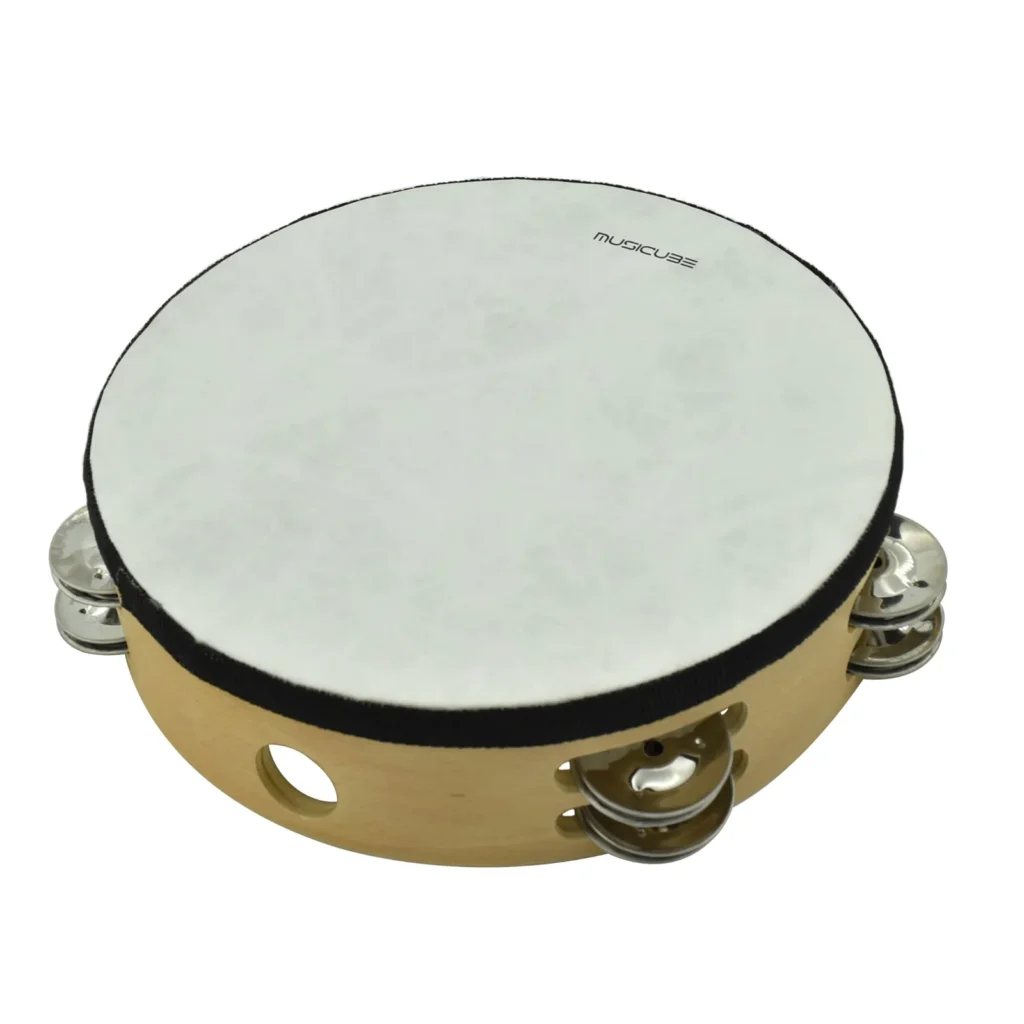
Two tambourines can sit side by side in a photograph and be built to entirely different cost structures. The difference lives in the specification rows — shell species, head material, bell count and how the bells are mounted — not in the product image. Learn what each row means before comparing unit prices.
| Kids tambourine | High-grade birch | High-grade beech | |
|---|---|---|---|
| Shell | Laminated poplar plywood | Laminated birch plywood | Laminated beech plywood |
| Head | Hygienic plastic drumhead | Real translucent buffalo leather | Multi-layer composite, hide-like feel |
| Jingles | 4 / 5 / 6 pairs, stainless steel | 5 stainless (6″), 7 brass (8″), 16 stainless (10″) | 16 (10″) / 20 (12″), mounted two per position |
| Frame size | 165 / 215 / 265 mm | 165 / 215 / 265 mm | 265 / 315 mm |
| Finish | Water-based paint | PU paint | PU paint |
| SKUs | 010602, 010802, 011002 | 010605, 010805, 011007 | 011006, 011206 |
Every row is a price decision and a use decision. Shell species changes weight and how the finish behaves in a classroom. Head material separates the gift price point from the durability build. Jingle count and pairing decide how full the wash is: a 10-inch frame with six pairs projects differently from a 10-inch frame with sixteen single-mounted bells, and two-per-position mounting keeps a dense set balanced in small hands. Water-based paint on the entry build holds the cost down for gift channels; PU paint on the high-grade builds protects the shell under daily use. Custom colours run on request across the family, and each Pantone match is its own finish run.
Spec sheet: kids tambourine family (010602, 010802, 011002)
| SKU / Frame | 010602 (6″) · 010802 (8″) · 011002 (10″) |
| Age range | 3+ years |
| Shell | Sturdy laminated poplar plywood |
| Jingles | Stainless steel bells — 4 pair (6″) / 5 pair (8″) / 6 pair (10″) |
| Drumhead | Durable hygienic plastic drumhead |
| Edge and grip | Chamfered bearing edge; finger hole |
| Finish | Water-based paint, natural shell with black head binding |
| Size | 6″: approx. 165 × 165 × 45 × 6.5 mm · 8″: 215 × 215 × 45 × 8.5 mm · 10″: 265 × 265 × 45 × 8.5 mm (L × W × H × THK) |
| Packaging | Full-color box |
| Lead time | 25–45 days after deposit |
Fixed heads versus tunable heads on a hand drum
The hand drum line splits the same way the tambourine line does. The kids hand drum family (030602, 030802, 031002) runs poplar plywood frames at 150, 200 and 250 mm with hygienic plastic heads, a wooden mallet in the box, chamfered edges and water-based paint. That is the classroom default, priced for volume programmes, and the 10-inch unit is the same drum that ships inside the 31-piece storage tote.
The 10-inch tunable drum (031020) is a different instrument. Birch plywood shell, real translucent buffalo-leather head, and a chrome tension hoop with a metal lock and knurled tuning knobs. The head can be re-tensioned by hand as it settles and as humidity moves, and it can be replaced without writing off the shell. On a retail shelf that is the difference between an instrument and a consumable, and it prices accordingly. A drum that can be serviced reads as a proper instrument to the customer holding it, which is why music departments and church programmes order it alongside the fixed-head units rather than instead of them.
Counting the pieces inside a classroom set
Set marketing counts pieces; the packing list is what ships. Ask for the list before you compare prices, because “20+ pieces” and “31 pieces” are not the same offer.
| Set | What is in the box | Where it sells |
|---|---|---|
| 200100 mini rhythm set | 8-note rainbow glockenspiel with two wooden mallets, 5-bell hand bell, two 3-bell wrist bells | Gift shelf, starter programmes |
| 200214 rhythm set complete | 8 pieces: glockenspiel, egg shaker, 4″ triangle, two maracas, claves, sleigh bells, 6″ tambourine, clapper | Boxed, approx. 270 × 60 × 275 mm |
| 200401 classroom set | 20+ pieces: hand drum, tambourine, 8-note xylophone with mallets, maracas, guiro, claves, castanets, double-agogo bells, egg shakers, jingle sticks, wrist bells, sleigh bells, rainbow shaker | Kindergarten and primary music classes; transparent storage box with carrying handle included |
| 204062 storage tote | 31 pieces across 27 SKU lines: tambourines, hand drum, two glockenspiels, maracas, shakers, sleigh bells, clappers, castanets, claves, guiros, agogos, blocks, chimes, triangles | Classroom programmes; tote approx. 475 × 350 × 270 mm |
Two checks on any set quote. First, does the storage ship with the set or is it a separate line? The classroom set includes its box and the tote set includes its tote; wall-hanging organisers and bags are separate SKUs (204063, 200213, 204061) for programmes that need them. Second, is the tambourine in the set the same unit you can buy singly? On this line it is — 010602 — which is what makes replenishment ordering possible a year later instead of a full set re-buy.
Why unpitched wooden items travel inside sets
Claves, castanets, guiro and egg shakers are wood, and they are percussion, but they do not behave like tambourines commercially. Nobody puts a single pair of claves on a peg; they arrive as set components and as replacement parts. That changes what a buyer should ask for.
Inside our own sets the wooden unpitched items are specified by item number, not by description: rubberwood claves 100502, castanets 100102, agogo with guiro 110101, jingle stick with 13 bells 081203, one-bell rhythm clipper 080104, and egg shakers 060801 (approx. Ø46 × 65 mm) and 060802 (approx. Ø40 × 60 mm) in FSC-certified rubberwood. The pine train whistle 150701 belongs to the same group: wood body, no head, no hardware.
Three things follow. First, ask for the item numbers on the packing list, because “claves” covers everything from a 15 cm painted stick to a 20 cm hardwood pair, and the difference is audible. Second, treat the small items as consumables in your volume planning — a classroom loses claves and shakers long before it loses a tambourine, and a programme that stocks no spares replaces whole sets instead of single pieces. Third, confirm the species and the finish in writing: FSC rubberwood with a sanded, unfinished surface and a lacquered look-alike are the same shape at very different prices.
Because these items are packed inside sets rather than sold alone, the piece count on the box is the only place most buyers ever see them. That is why the packing list matters more than the marketing count — a point covered in the section above.
Five checks before the deposit is released
- Jingle count and pairing, in writing. Pairs versus single-mounted bells change both the sound and the balance of the frame. Get the count per frame size on the quotation, not from the photo.
- Head material against your channel. Plastic heads serve gift price points; leather heads serve classroom and stage use, and they carry a different care instruction for the end user.
- Shell species and finish. Poplar with water-based paint and birch with PU paint are different products at different prices. Make sure the quote names the one you sampled.
- Set contents against the packing list. Count the pieces, confirm the storage unit, and check the set tambourine against the single SKU it should match.
- Target market, before production starts. It decides what documentation applies, and that answer needs to exist before the line runs, not after.
Commercial terms and the production window
Whether you take 200 pieces of a single frame or a programme that mixes frames, drums and boxed sets, the reference conditions are identical:
| MOQ | 200 pcs on standard models |
| Samples | 10–15 days, built off the production line; cost credited against the bulk order |
| Bulk production | 25–45 days after deposit receipt |
| Payment | T/T 30% deposit with 70% against B/L copy |
| Shipping | FOB Qingdao, Shanghai or Ningbo; DDP quoted for EU and US destinations |
| Capacity | 20,000 m² factory in Huai’an, Jiangsu — building children’s instruments since 2003 |
Compliance for a mixed percussion order is item-specific. Name the destination and we confirm the applicable test reports in writing before anything is cut. Wood-bodied pieces are covered by the FSC® chain-of-custody certificate (GFA-COC-006800) when the destination paperwork requires it; metal heads and painted shells are named on the toy-safety report for that model. Ask for the underlying document with an issue number and date — a certificate logo copied between supplier websites is not a file.
Carton arithmetic for a mixed percussion container
A 10-inch tambourine is 265 × 265 × 55 mm, about 0.004 m³ before packing; the 31-piece tote is 475 × 350 × 270 mm, about 0.045 m³. One tote therefore occupies more space than ten loose frames. A programme weighted toward boxed sets changes the container plan before it changes the unit price, so the mix belongs at the quotation stage, not in a loading decision made after the goods are packed.
Most first percussion orders combine frames, drums and sets, which means the carton plan has to be agreed before bulk begins. Specify which SKUs share a master carton, how each retail box is labelled and barcoded for receipt scanning, and the loading sequence for the container. Once a container is sealed, re-sorting its contents at destination is the most expensive correction available and the one most easily avoided while the order is still on paper.
Sampling a bulk run of mixed instruments
Percussion defects are audible and visible to the end user, so a bulk run is checked unit by unit rather than cleared by a single batch sample. On this line that means confirming every bell is seated, matching head tension to the approved sample, inspecting the shell finish and chamfered edges, counting set contents against the packing list, and running an AQL inspection with functional checks on finished goods. Every batch is logged so a later reorder can be traced to what shipped. A loose bell is reworked before packing, not discounted at destination.
Where percussion programmes lose time
- Comparing sets by piece count instead of packing list. Two “20-piece” sets can share six SKUs and differ on everything else.
- Approving a tambourine without counting the bells on the sample. The count per frame size is the single most common spec to drift between sample and bulk.
- Specifying leather heads for a gift shelf, or plastic heads for a music department. Match the head to where the product will be sold, not to the cheapest line on a comparison sheet.
- Leaving storage out of the quote. A classroom programme without storage becomes a different, more expensive order at re-buy time.
- Assuming set SKUs and single SKUs are the same unit. On some lines they are not, and replenishment then means buying sets.
- Releasing the deposit before the sample is signed off. That approval gate is the least expensive protection a percussion order has.
Opening a percussion programme
- State the segment mix, the volumes and the destination market; those three items are enough to issue a first quotation.
- Sign off a line-built sample against the written specification: count the bells, sound the head, open the carton and reconcile the set contents.
- Fix the carton scheme, packaging and artwork before bulk, including any Pantone references for custom finishes.
- Bulk begins on deposit and takes 25–45 days on the equipment that produced your approved sample.
Send the quantities and the mix and a tiered quotation with MOQ and the production window comes back within 24 hours. For own-brand programmes the private label guide covers artwork and packaging; the 25-key piano walkthrough shows how a single-model specification is reviewed end to end.
Questions percussion buyers ask
How do you verify a kids percussion instruments manufacturer is a real factory?
What is the MOQ for kids percussion instruments?
How long does a kids percussion order take?
Can I mix tambourines, hand drums and sets in one order?
What should I check on a tambourine sample?
What is the difference between a fixed and a tunable hand drum?
Do classroom percussion sets include storage?
What documentation applies to a percussion order?
What are the payment and shipping terms?
Explore Our Instruments
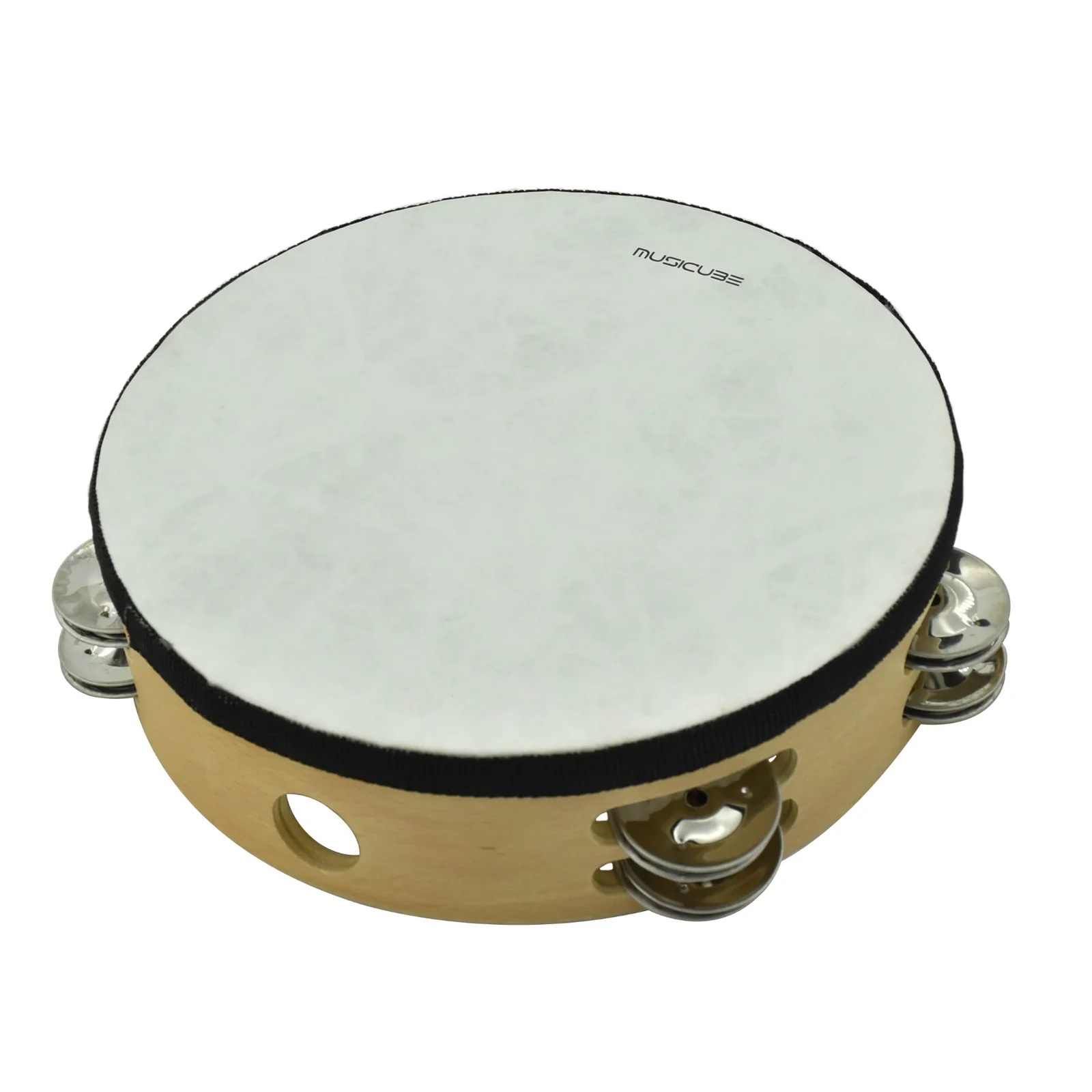 Kids Tambourine 6/8/10″Poplar shell · 4–6 pair bells · 010602/010802/011002
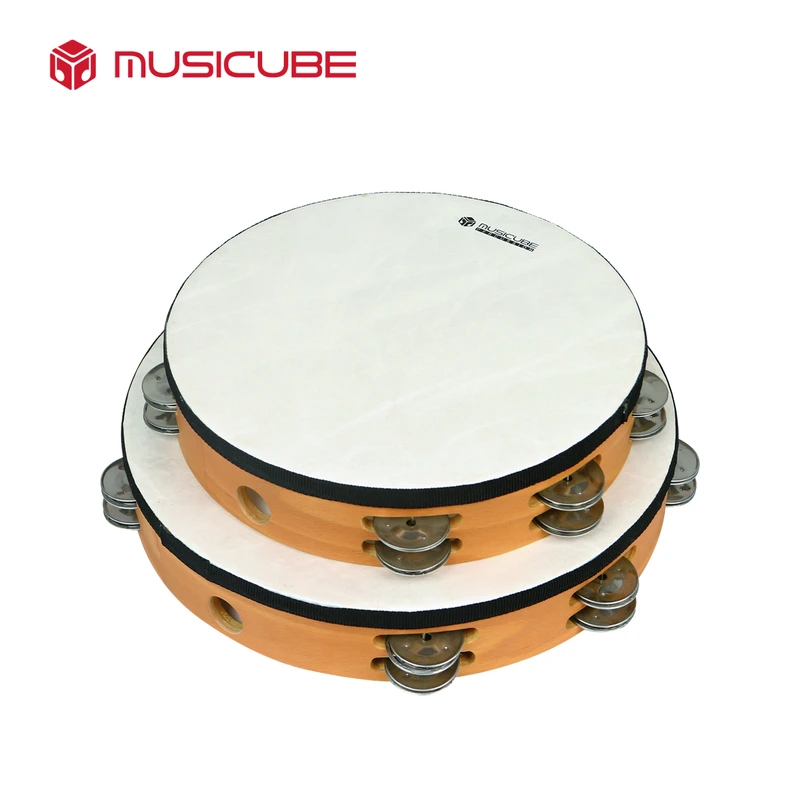 High-Grade Tambourine 10/12″Beech shell · 16–20 bells · 011006/011206
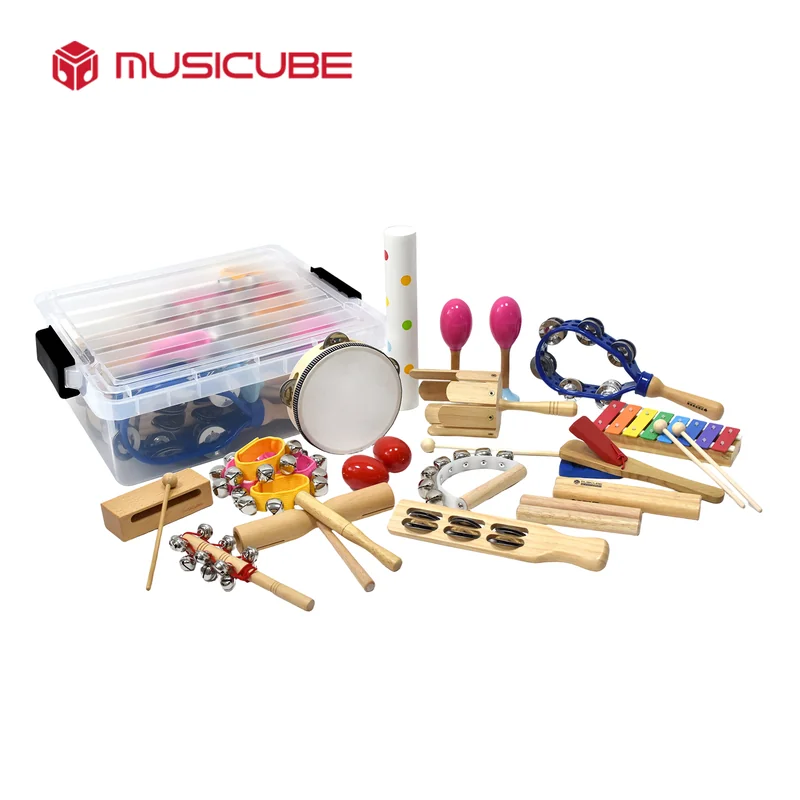 Classroom Percussion Set20+ pieces · storage box · 200401
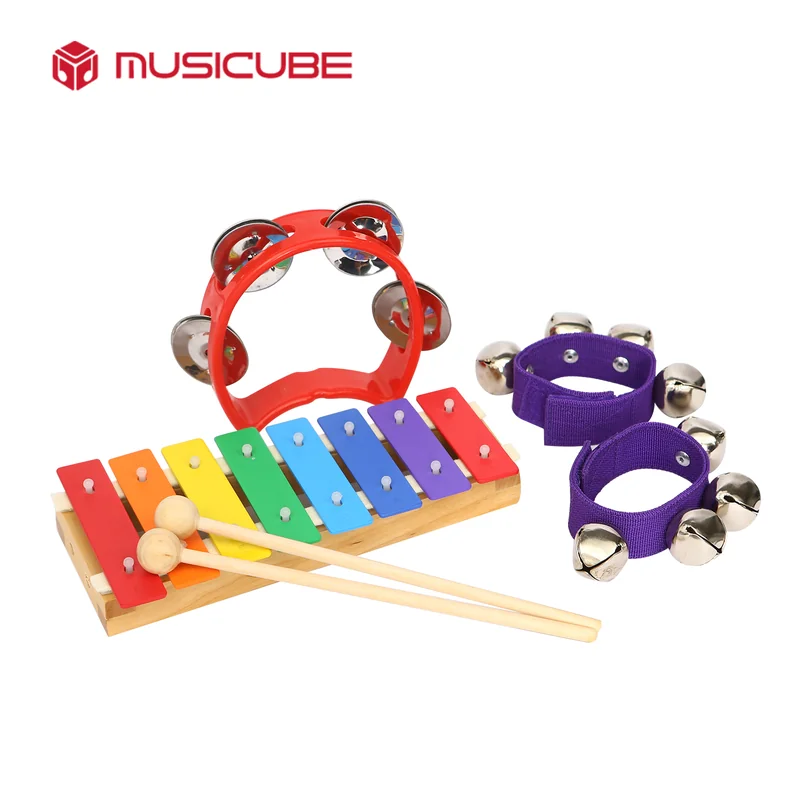 Mini Rhythm SetGlockenspiel + bells · 200100
Ready to Build Your Percussion Programme?
Give us the segment split, the volumes and the destination market; that is enough to price a first percussion order the same day.
Beyond the product mix, our factory vetting checklist lists the reports, inspection gates and commercial terms worth requesting from any supplier.