By the Royalsound factory team — kids musical instrument manufacturer since 2003 · Updated September 2026
A good kids piano manufacturer is easy to verify: certified products (EN 71, ASTM F963, CPSIA), a factory you can audit in person or on video, a documented QC process, and commercial terms — MOQ, lead time, Incoterms — that appear in writing on every quote. This 7-point checklist is the same one our OEM buyers use when auditing factories in China.
The 7-Point Factory Checklist
1. Certifications you can verify — not just logos
Ask for the actual EN 71 and ASTM F963 test reports, issued by an accredited third-party lab (SGS, TÜV, Intertek), matched to the product model you are buying. A serious factory sends reports within one business day. Logo-only claims without a report number are a red flag.
2. Own factory, not a trading company
Trading companies mark up 15–30% and add a communication layer between you and production. Verify ownership: a video walkthrough of the production line, a business licence showing manufacturing scope, or an on-site audit. If you source repeatedly, visit once — reputable manufacturers welcome audits.
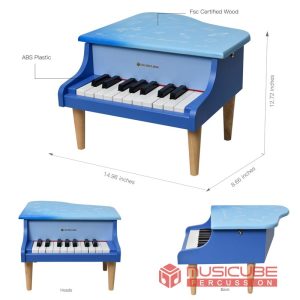
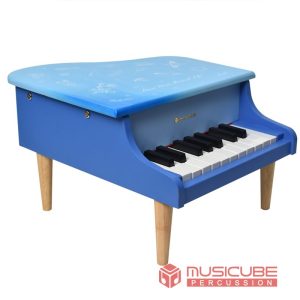
And the factory behind this checklist knows retail first-hand: we also build our own consumer brand, Musicube, familiar to many U.S. retailers – so the factory-audit points below are not theory.
3. Safety engineered into the details
Kids instruments fail audits on details: small parts on age 3+ products, lead-heavy paint, sharp string anchors. Ask how the design is age-graded and which components are tested per EN 71-1/-2/-3. The answer should be specific to the product, not a generic certificate.
4. Real OEM/ODM depth
Many factories only print your logo. Full-service OEM covers colourways, packaging, tooling and function changes with in-house design engineers. Ask for one example project where they modified structure or electronics — not just packaging.
5. Sampling speed and communication
Sampling time tells you how the whole project will run. A workable benchmark for kids pianos is 10–15 days for a pre-production sample, with a named sales engineer answering in clear English within 24 hours. Slow, vague sampling almost always predicts slow production.
6. A documented QC process
Look for three gates: incoming material inspection (IQC), in-line checks (IPQC), and a pre-shipment inspection against your approved sample — with photo and video reports before packing. Ask which AQL standard they inspect to (2.5 is common for toys).
7. Commercial terms in writing
Every quote should state MOQ, unit price by quantity, lead time and its starting point (usually deposit receipt), Incoterms and port, and payment terms. For reference, our standard terms: MOQ 200 pcs, samples 10–15 days, bulk 25–45 days after deposit, FOB Qingdao / Shanghai / Ningbo, T/T 30% + 70%.
Red Flags vs. Good Signs
| Red flag | What a serious manufacturer shows you |
|---|---|
| Certificate images without report numbers | Third-party lab reports matched to your model |
| “We are a factory” — no video or audit offered | Video walkthrough or scheduled on-site audit |
| MOQ only, no price ladder | Unit price by quantity tier, in writing |
| “Lead time: depends” | 25–45 days after deposit, stated per order |
| Generic photos, no sample policy | Pre-production sample approval before bulk |
Quick Answers
What MOQ should I expect when ordering kids pianos wholesale?
How long does sampling and mass production take?
Which certifications are mandatory for selling kids pianos in the EU and US?
Can a factory produce kids pianos under my own brand?
Explore Our Instruments
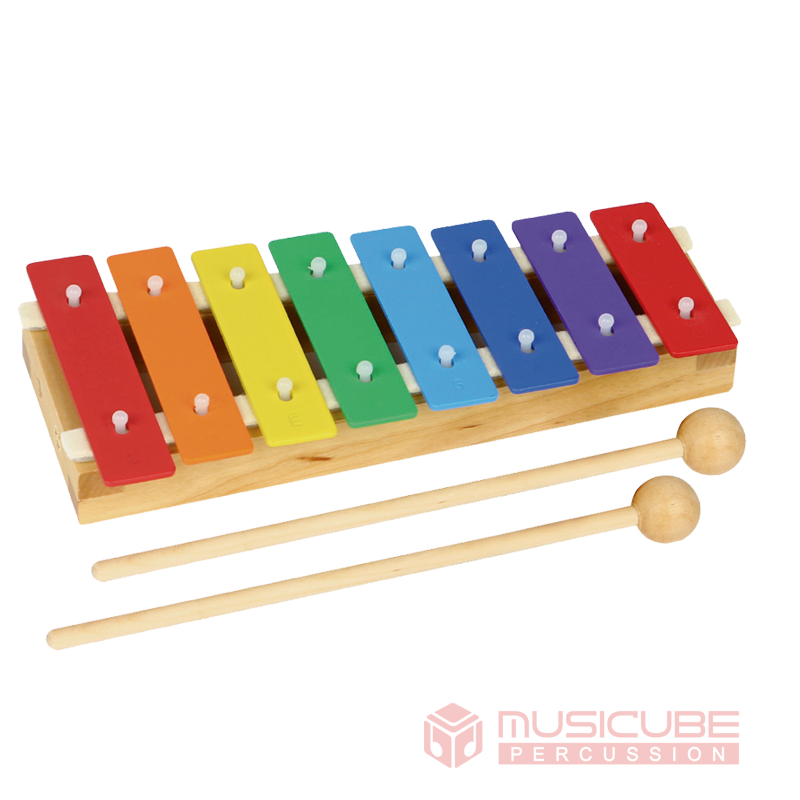 8-Note Wooden Xylophone for KidsSolid wood · 8 tuned notes
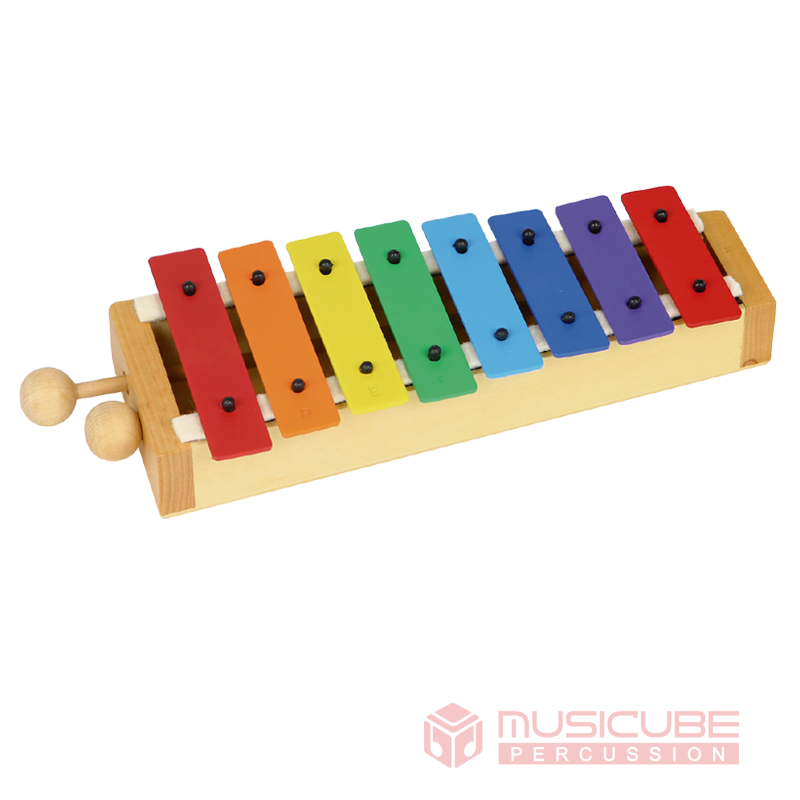 8 Tones Colored Glockenspiel – Basswood Body8 metal tones · MOQ 500 pcs
Ready to Source with a Certified Factory?
Send your requirements — we reply with pricing, MOQ and lead time within 24 hours.