


Orff instrument OEM and ODM work, explained by the plant that runs it: we cut, tune, finish and box every barred instrument in Huai’an, Jiangsu, and build private-label ranges on the same lines as our own · Updated November 2026
Every factory page says it supports OEM and ODM. Almost none says what a specific change does to the instrument, the tooling and the compliance file — which is the only information that decides whether your launch date survives. This page takes the four levels of change on a barred instrument and follows each one through to what it breaks: the tuning setup, the frame, the carton die, or the test report.
OEM and ODM are not the same request
OEM means the instrument already exists and your brand goes on it. ODM means the instrument does not exist yet and the factory builds it to your brief. The distinction matters because the two have different failure modes: an OEM project fails on artwork and colour matching, and an ODM project fails on geometry and certification.
Most buyers arrive asking for ODM and discover, once the four Orff families are on the table, that they wanted OEM on four models and one genuinely new frame. That is a normal outcome and it is much cheaper than the alternative, because a new frame is the only change on a barred instrument that cannot be undone once the tooling is cut.
So the useful question is not “OEM or ODM”. It is: do you want to change the print, the surface, the sound, or the shape? Those four sit in ascending order of what they cost, and everything else is a detail inside one of them.
Four levels of change, ranked by what they break
| Level | What changes | What it breaks | What has to be rebuilt |
|---|---|---|---|
| 1. Print | Logo on the bar, note names, manual, neck label | Nothing structural | Artwork and a proof |
| 2. Surface | Bar colour, frame colour, box finish | The compliance file if the coating is new | Colour matching on a physical bar |
| 3. Sound | Bar material, bar count, tuning standard | The tuning dimensions and the resonator length | Tuning setup per note, new sample |
| 4. Shape | Frame, resonator box, carton | The carton die, the pallet count, possibly the test sample | Tooling and a full prototype cycle |
Levels one and two are usually free or near it, and they are where most private-label ranges actually live. Level three is where the money goes, because tuned metal and tuned wood are not the same problem. Level four is a development project, not a customisation, and should be priced and scheduled as one.
The mistake that costs buyers most is asking for levels three and four while budgeting for one and two. A new bar colour is a week. A new bar is a tuning programme, a new resonator length, a new carton and a new test sample — and the sample cannot be built until the tuning is settled, which is why the calendar, not the price, is usually what kills these projects.
Colour is the cheapest change and the easiest to get wrong
Bar colour is applied in the finishing stage and does not touch the tuning, so on a wooden bar it is close to free once a colour is chosen. On a metal bar the colour usually comes from an anodised or coated surface, and a coating sits on the vibrating element — which is why the finish has to be specified with the sound in mind, not only the catalogue.
Two things decide whether a colour project goes smoothly. The first is that the match happens on a physical bar. A red that reads correctly on a monitor is not the same red on a lacquered bar, and the same pigment over beech and over maple lands differently because the substrate shows through. Send a physical reference — a bar, a powder chip, a printed carton — rather than a hex value.
The second is batch behaviour. Natural wood varies, so a colour approved on one batch is a target rather than a guarantee across a second production run. If the colour is central to your brand, agree the tolerance in writing before the first bulk order rather than after the second, when the difference is visible side by side on a shelf.
Changing the bar material changes the tuning
This is the level most often underestimated. A bar is a free-free bar, and its pitch follows from its length, its thickness and the arch cut underneath — which means a new material is a new set of dimensions for every note, not a substitution.
Hardwood and metal behave differently in three ways that all land on the same drawing. Metal is stiffer for its density, so a metal bar reaches the same pitch in a different length and thickness. Metal also changes less with humidity, so a metal instrument holds its tuning across seasons where a wooden one drifts. And metal rings longer, which is why the resonator under it is a different length and why the beater matching matters more.
The practical consequence for an ODM project is that a new bar material cannot be sampled quickly. Each note has to be cut, tuned and checked, and the resonator has to be matched to the finished bar length before the instrument sounds like an instrument. Ask any supplier how they tune, and whether the sample is built on the production line: a sample built in a separate sample room tells you what the sample room can do, not what your bulk order will sound like.
Adding bars changes the frame, the resonator and the carton
Going from thirteen diatonic bars to a chromatic layout is the most common ODM request and the one with the widest blast radius. More bars means a longer frame, and a longer frame means a longer carton. It also means the resonator boxes under the added notes have to be cut to their own lengths, and the two rows have to sit at a spacing the player can reach without the upper row fouling the lower one.
Three consequences follow, and they should all appear on the quotation rather than in a change order after the deposit:
- Frame geometry. A longer frame needs a stand that still clears the floor and still folds, or a new stand.
- Carton size. A longer instrument changes the carton, the master carton ratio and the number of cartons per pallet. Freight is priced on volume, so this shows up in the landed cost, not the unit price.
- Test sample. If the change alters the product enough, the compliance sample has to be the new configuration, not the old one.
The cheap version of this request is the add-on: keep the diatonic instrument and supply the chromatic notes as a separate boxed set that clips to the same frame. It gives the teacher the full range, keeps the base SKU and its carton unchanged, and lets you launch without a tooling cycle. Most of the ranges we build for distributors use exactly this shape.
The box is a die, and the die sets your freight
Packaging is where private-label projects quietly become engineering projects. A printed carton in the same dimensions as the standard one is a print job. A carton in new dimensions is a new cutting die, a new master carton ratio, and a new pallet configuration — three changes that arrive together.
The reason to care is freight. Volume, not weight, sets what a container costs you per instrument, and a bass instrument and a soprano glockenspiel are close in price and far apart in cubic metres. A carton that grows by a few centimetres in each direction can drop the number of units on a pallet, and that is a landed-cost change nobody put in the business case.
Two habits keep this under control. Ask for the carton dimensions and the cubic metres per model with the quotation, not after it, so the freight can be checked against real numbers. And if the packaging is retail-facing, decide early whether the carton is also the display unit, because a shelf-ready box has different proportions from a shipping box and the difference has to be designed in, not added at the end.
Certification follows the change, not the model
A test report covers the product as submitted: the materials, the coatings, the construction and the age grading. Change any of those and the report no longer describes what you are shipping, even if the model number has not moved.
In practice the pattern is straightforward. A new logo printed on an existing bar, in an ink already in the file, usually changes nothing. A new coating, a new colourant, a new plastic part or a new age grading is a new material in the file, and for toys that means the migration and mechanical tests have to be looked at again for the new configuration.
What we do is issue reports per model rather than per order, because a set spans several families and one report cannot describe four of them. For a private-label range, the reports carry your brand and the models you actually sell, and the list goes out with the quotation by model number so the compliance file closes before the tender does. If you are selling into the EU, the obligations that apply are set out in the European Commission’s toy safety rules, and they attach to the product as placed on the market — which is your version, not ours.
Where the Orff instrument OEM and ODM specification freezes
Every OEM and ODM project has one point after which changes cost money instead of time. It sits at the moment the sample is approved, and everything before it is cheap.
The sequence that works:
- Brief. The models, the changes you want, the market and the deadline, in writing.
- Quotation with a spec sheet. Not a price alone: bar material and count, resonator, frame, stand, beaters, carton dimensions and cubic metres per model. The trading terms sit on what this Orff instrument manufacturer makes.
- Specification freeze. You sign the spec sheet. This is the document that later settles every argument about what was agreed.
- Sample. Built on the line that will run the bulk order, with the colour matched on a physical bar.
- Approval. The sample becomes the reference. From here, a change is a new sample cycle, not an email.
- Bulk. Runs against the approved sample and the frozen spec.
Most disputes we see are not about quality. They are about a change that arrived after step five and was treated as a detail — a different carton, a darker red, one more bar — when each of those restarts part of the chain. Freezing at step three and holding it is the single most effective thing a buyer can do for their own launch date.
What the artwork package has to contain
OEM projects stall on artwork more often than on production. The package that lets a factory start without three rounds of questions has five parts:
- Logo files in vector form, with the minimum print size and the clear space stated.
- Colour references as physical chips or a matched bar, plus the tolerance you will accept.
- The packaging dieline you are designing to, or a request for ours before your designer starts.
- Barcode and label content — the number itself, the importer block, the age marking and the language set for the destination market.
- The manual text, or the decision to use ours in your brand.
Barcodes deserve their own note: the number is yours to license, not ours to invent, and it belongs on the retail unit rather than only on the master carton, or a retailer has to open cartons by hand.
What kills a project after the sample is approved
By the time a sample is approved, most of the risk has been spent. What remains is administrative, and it is where projects still die.
A spec sheet that was never signed. Everything is agreed verbally, the bulk order is built, and the first argument is about a detail nobody wrote down. The sample cannot settle it, because nobody wrote down which parts of the sample were the specification and which were incidental.
A carton decision made late. The instruments are ready and the packaging is not, so the shipment waits — or ships in a standard carton and the retail launch is delayed a season.
A certification file opened late. Reports are per model and take time to issue. A buyer who starts the file after the bulk order is ready has a container they cannot legally place on the market.
An MOQ counted per order instead of per model. Eight models at two hundred each is a different commitment from two hundred in total, and it should be visible before the deposit.
Can we change the bar count without new tooling?
Does a private label need its own test reports?
Explore Our Instruments
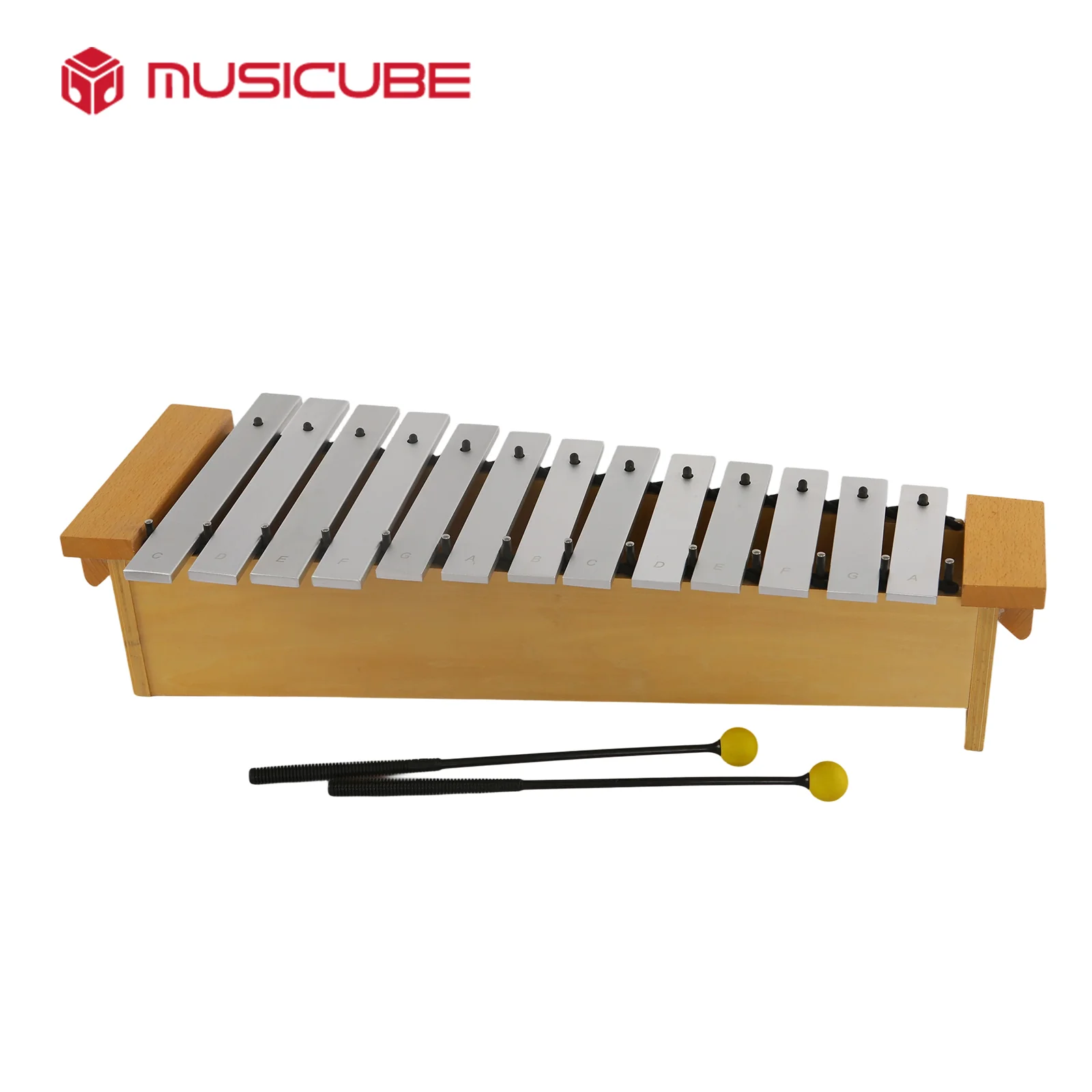 Soprano Metallophone13 diatonic bars
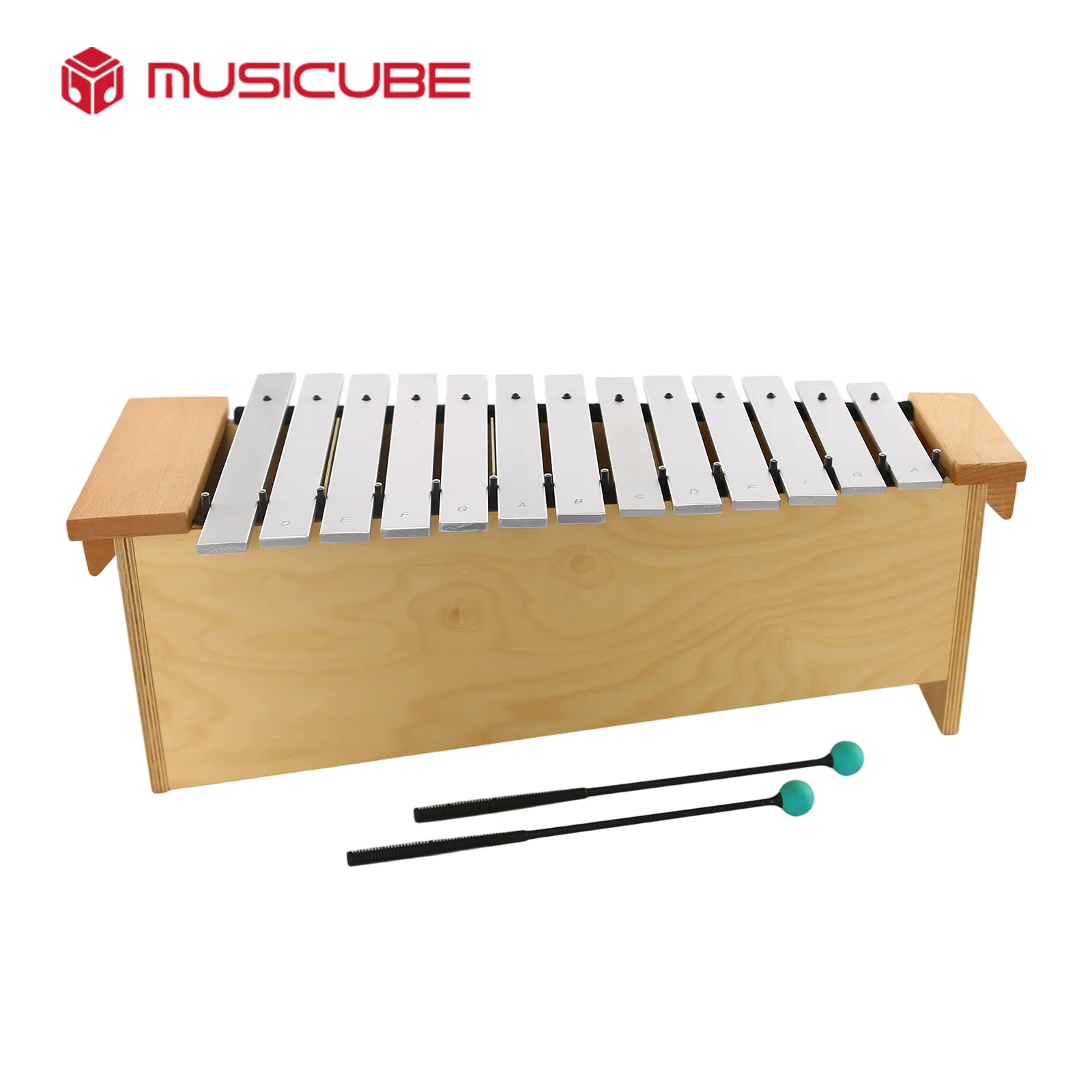 Alto Metallophone13 diatonic bars
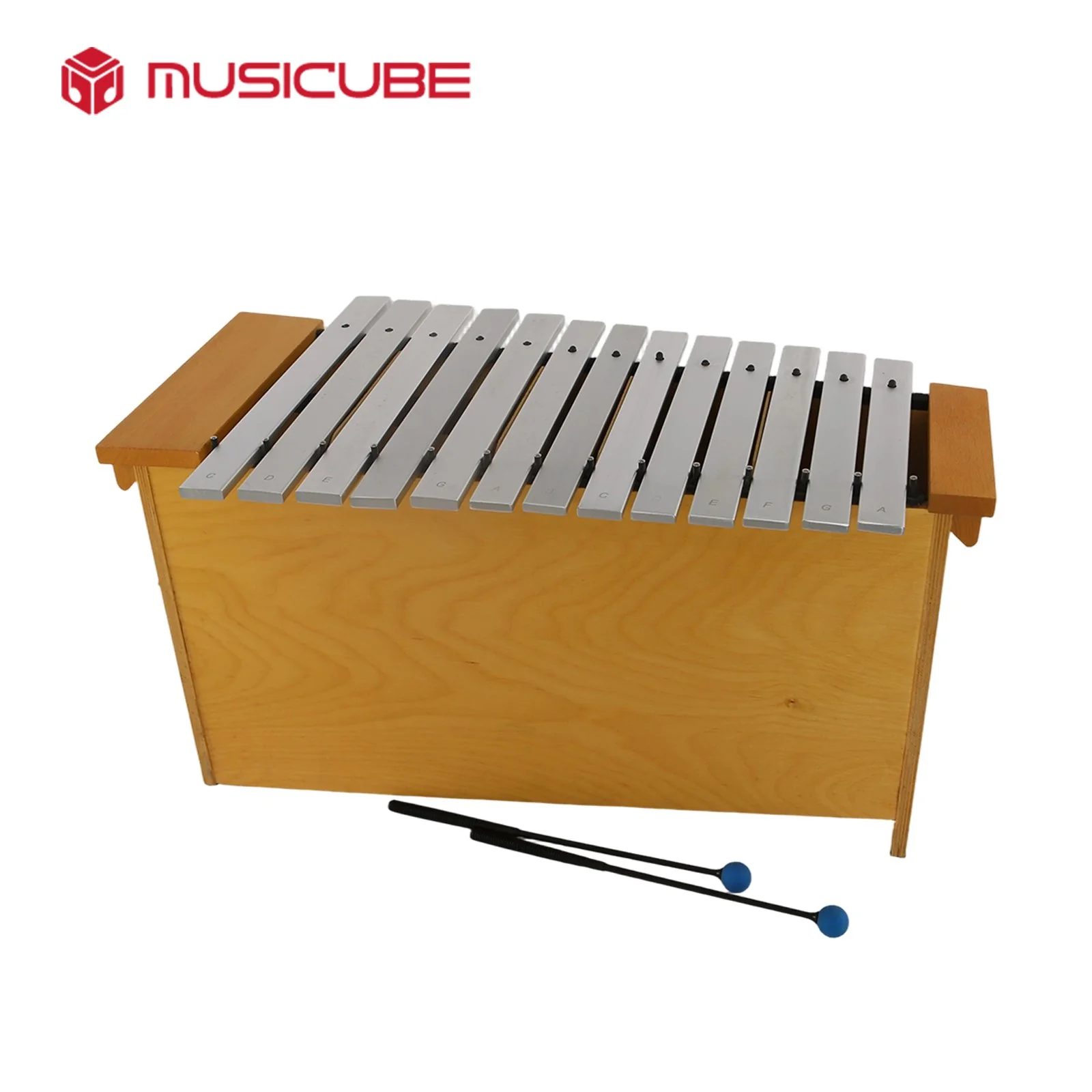 Bass Metallophone13 diatonic bars
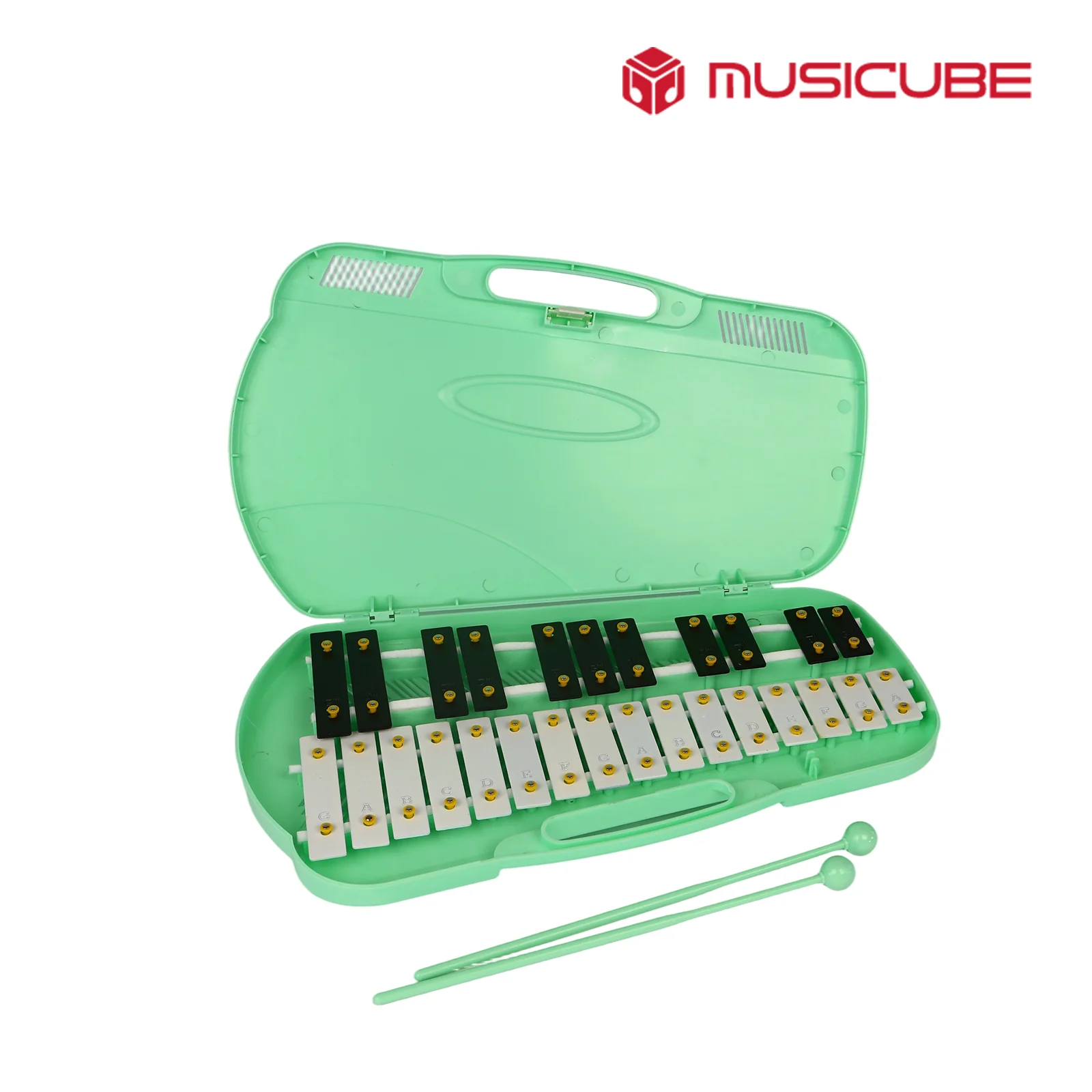 Chromatic Glockenspiel27 bars
Request a Quotation
Send the models, the changes you want and the market you are selling into. We reply with a spec sheet, the carton dimensions and the cubic metres per model, so the freight and the compliance file can be checked before anything is cut.
1. European Commission, Toy safety rules in the EU — the obligations attach to the product as placed on the market, which is the reason a change to materials or coatings reopens the compliance file for a private-label version. Retrieved 1 November 2026.
2. STUDIO 49, Orff instruments and replacement parts — used only to confirm that replacement bars are sold as separately tuned parts rather than cut to nominal dimensions, which is why a bar change is a tuning programme and not a substitution. Retrieved 1 November 2026.