


By the Royalsound factory team — kids musical instrument manufacturer since 2003 · Updated October 2026
Searching for a children’s musical instrument supplier usually starts with a range problem, not a price problem. You need keyboards for the school program, percussion for the classroom kit, ukuleles for the beginner shelf, and you would rather not run five audits, five sample cycles and five containers to get them. This guide is about vetting a supplier that covers the whole program: what a full range actually contains, what to verify family by family, which terms should stay identical across every category, and how to structure a first mixed order that does not end in a repacking bill. We build across ten categories at our own 20,000 m² factory in Huai’an, Jiangsu, and sell our own Musicube brand into US retail, so this is written from the supply side of the table.
What a full-range partner actually covers
“Children’s musical instruments” is not one product family. It is ten, and a supplier’s range is the first thing to test against what your program needs. Here is what ships today on our own lines, with the capability question each family should trigger:
| Category | What ships today | The one-line capability check |
|---|---|---|
| Kids pianos | 18-, 25- and 30-key mechanical grands and uprights; 25-key and 88-key digital models | Key count, tuning method, body material — stated per model, not per range |
| Ukuleles | 21″ basswood models in four colours, 12 frets, 345 mm scale | Scale length, fret count and neck material on the spec sheet |
| Guitars | 36″ travel acoustic, classical and folk models, electric starter pack with 10W amp | Scale, neck joint, and exactly what ships in the box |
| Percussion | Tambourines, hand drums, bongos and jumbo rhythm sets | Head material, tension hardware, bell count and bell metal |
| Xylophones & glockenspiels | 8-tone coloured models, the 11-tone kinder glockenspiel, resonator bars, hand chimes | Bar material and dimensions, pitch range, tuning method |
| Steel tongue drums | 6″, 8″, 12″ and 14″ models, 11 to 15 tones | Tone count, tuning and finish stated per size |
| Harmonicas | 10-hole kids models and diatonic blues models | Configuration and finish spelled out on the spec sheet |
| Melodicas | 32-key and 37-key models | Key count and body materials listed in full |
| Recorders | ABS plastic school models and pearwood models | Body material and joint construction, model by model |
| Kids accordions | Junior and kids models | Listed configuration and size, not a photo and a price |
A range like this is a capability claim until you check it. The gap between a manufacturer with ten lines and a trader with ten catalogues shows up in who answers the spec question. Ask for the model numbers behind each family — a factory sends SKUs, a reseller sends a lookbook.
One partner or five: the consolidation math
Consolidating a program with a single children’s musical instrument supplier buys things that do not appear on a quotation:
- One QC system. The same inspection standard, the same functional checks and the same batch records across every carton in the container. Five suppliers means five tolerances for what “acceptable” means.
- One artwork and packaging standard. Songbooks, manuals, stickers and box artwork produced to one brief. Five suppliers means five artwork cycles and five chances to ship a mismatched insert.
- One documentation flow. One paperwork pack per shipment, built against one target market, instead of chasing five suppliers for five document sets before the vessel sails.
- One reorder reference. A reorder matched to a recorded batch. Split suppliers rarely keep records that talk to each other.
- One container plan. Mixed loading agreed once, instead of five LCL shipments arriving on five dates.
Now the honest caveat, because it decides whether consolidation is real: it only works if the supplier owns the lines. Ask which stations run in-house for each category you buy. A “full-range supplier” that buys finished goods and applies your logo is a trader with a wide catalogue, and the second order will show it — usually in lead time. If one category is your volume core, dual-sourcing that category is reasonable. Keep the long tail with the supplier that actually builds it.
What to verify, category by category
There is no single checklist that covers a ukulele and a tongue drum. There is a pattern: every family has two or three numbers that decide whether the instrument is usable, and they belong on the spec sheet before the sample is built.
| Family | The spec sheet must state | Check on the sample |
|---|---|---|
| Strings (ukulele, guitar) | Scale length, fret count, neck and fingerboard material, box contents | Fret ends dressed, action playable, tuners hold pitch through a handling test |
| Pianos (mechanical, digital) | Key count and range, tuning method, body material; key size and power on digital models | Play every key against a written pitch reference; confirm key feel and voice list on digital units |
| Percussion | Head material, tension hardware, bell count and bell metal, frame size | Head tension even, hardware tight after handling, bells seated and consistent |
| Mallet instruments | Bar material and bar dimensions, pitch range, tuning method, mallets included | Strike every bar against a reference; confirm the range covers your repertoire, not just the scale |
| Winds and keys | Configuration (holes or keys), body material, finish | Play the full range; check response at both ends, not just the middle octave |
Real numbers from our range, so the standard is concrete. The 21″ ukulele (182102) runs a 345 mm scale with 12 frets on a basswood body, solid wood neck and engineered-wood fingerboard, in a full-colour box. The 11-tone kinder glockenspiel (051102) carries 13 special-steel bars — 11 diatonic plus F#6 and Bb6 in a cloth bag — on a solid beechwood and plywood resonator, pitched C6–F7 with two wooden mallets and a songbook in the box. The electric guitar starter pack (183921) ships a Strat-style basswood guitar with a 10W amplifier, padded gig bag, strap, cable, spare strings, picks and allen wrenches. The 30-key grand (093002) covers C3–F5 with a matching stool. If a supplier’s spec sheet cannot produce numbers like these per model, the sample you approve is the only specification you will ever have.
Spec sheet: the 21″ ukulele (182102)
| SKU / Model | 182102 (one of four colours) |
| Age range | 3+ years |
| Size | Approx. 540 × 175 × 55 mm (L × W × H) |
| Body | Basswood |
| Neck / fingerboard & bridge | Solid wood / engineered wood |
| Scale length | 345 mm |
| Frets | 12 |
| Included | Plastic pick |
| Packaging | Full-colour box |
| Lead time | 25–45 days after deposit |
The audit that matters before a deposit
For a multi-category program, the audit is not one document. It is four answers, and all four fit in one email:
- The licence. Request the business licence showing manufacturing scope. A manufacturer sends it; a trader sends a price list.
- Per-category line ownership. Ask which of the ten categories are built in-house and which stations run on each line. “We produce everything” is not an answer; “bodies are machined here, bars are stamped here, final assembly runs here” is.
- A brand that lives with its own returns. We sell Musicube, our own brand, into US retail on the same QC system that runs your order. A factory that handles its own consumer returns audits harder than one that only quotes.
- Batch traceability across a mixed order. Every batch recorded, so a reorder twelve months later matches what shipped — per category, not just for the hero line.
One more that costs nothing to ask: where will my sample be built? It must come off the production line, not a showroom hand-build, and the sample cost should be credited against the bulk order. Get that in writing before anything moves.
Terms that should be identical across categories
One set of commercial terms across the whole program is itself a signal. Suppliers who quote different MOQs and different sample windows per category usually subcontract the odd categories out. Our terms are the same whether the order is a pallet of ukuleles or a mixed program across six families:
| MOQ | 200 pcs on standard models |
| Samples | 10–15 days, built off the production line; cost credited against the bulk order |
| Bulk production | 25–45 days after deposit receipt |
| Payment | T/T 30% deposit with 70% against B/L copy |
| Shipping | FOB Qingdao, Shanghai or Ningbo; DDP quoted for EU and US destinations |
| Capacity | 20,000 m² factory in Huai’an, Jiangsu — manufacturing children’s instruments since 2003 |
Read the gap between the sample window and the bulk window before you plan a launch. The 10–15 day sample exists so the spec gets approved; the 25–45 day bulk window is where materials, finishing runs, assembly, per-unit checks and packing actually happen. A supplier promising bulk in two weeks is either holding stock or skipping a stage.
Structuring a first mixed order
The first program sets the template for every reorder, so structure it deliberately. Three to five categories is the sensible start: one hero line per family, at trial quantities, with everything else held for reorder once the hero models have sold through.
Four decisions belong in the brief, not in the factory:
- The carton plan. Which models share a carton, how retail boxes are labelled, how the container is loaded. Mixed programs live or die here — repacking a sealed container is the expensive kind of mistake.
- The artwork lock. Stickers, songbooks and manuals are printed per version, and every language is its own run. Lock the song list and the manual before bulk starts, not after.
- The colour count. Each Pantone match is a separate finish run. Standard finishes avoid it; a late colour decision is a late production decision.
- The target market. Stated up front, because it determines what documentation applies — and that answer needs to exist before the container sails.
The clock itself is simple. A complete brief — model mix, quantities, target market, packaging preference, brand requirement — gets a same-day quote. Sample approval runs 10–15 days. Bulk starts at deposit and runs 25–45 days. The clock starts at deposit, not at enquiry.
Compliance files for the destination market
Where applicable, product testing and compliance documentation are reviewed according to the target market and agreed product requirements. Tell us where the instruments are going and we confirm in writing what applies to your order before production starts. The MDF in the kids piano line carries FSC® chain-of-custody certification, and the certificate travels with the shipment paperwork.
One warning about how this trade is marketed: certification claims travel between supplier websites without paperwork behind them. Ask for the certificate or the test report, with a number and a date. If it cannot be produced, treat the claim as marketing copy. And raise documentation requests before you sign the purchase order — paperwork cannot be retrofitted onto a sailing vessel.
Mistakes that cost program buyers time
None of these are about the instruments. All of them are about the program:
- Approving a sample without the family check. Play every key, strike every bar, dress-check every fret, shake every tambourine — each family fails differently.
- Assuming one approved sample proves every category. It proves the line can build that model; each family still needs its own sample against its own spec.
- Mixing categories without a carton plan agreed before bulk. This is the mistake that turns a good order into a warehouse problem.
- Adding a Pantone colour or a new language after the quote. Both are production runs, and both move the date.
- Leaving the target market until the end. It drives the documentation, and the documentation drives what can ship.
- Treating a wide catalogue as wide capability. The catalogue is a claim; the licence, the lines and the batch records are the evidence.
How to start a consolidated program
Put five things in your first email and you will get a usable quote back the same day: model mix, quantities, target market, packaging preference, and whether you need your own brand. Anything less and the quote is a guess.
- Send the category mix, model numbers, quantities and target market. That is enough for a first quote.
- Approve pre-production samples per family against the written spec.
- Confirm the carton plan, packaging scheme and artwork if you are going private label.
- Bulk production starts at deposit and runs 25–45 days, with the packing scheme agreed above.
Request a quote with your quantities and we reply with pricing, MOQ and lead time within 24 hours. If you want the wider audit framework first, the wholesale program guide walks the supplier audit end to end, and the mechanical piano guide covers that family model by model.
Quick Answers
Are you a children’s musical instrument supplier or a trading company?
Which categories can one children’s musical instrument supplier cover?
What is the MOQ on a mixed children’s instrument order?
How long do samples and bulk production take?
Can every category carry my own brand?
What are the payment and shipping terms?
Can categories from different families ship in one container?
What documentation ships with the order?
Explore Our Instruments
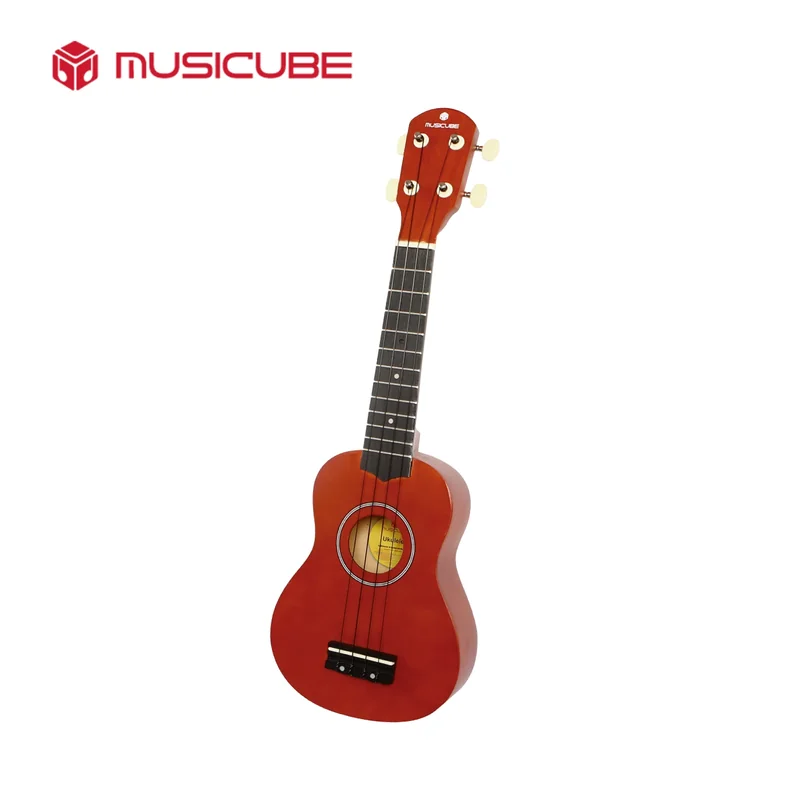 21″ Ukulele – Basswood, 4 Colors12 frets · 345 mm scale · full-colour box · 182102
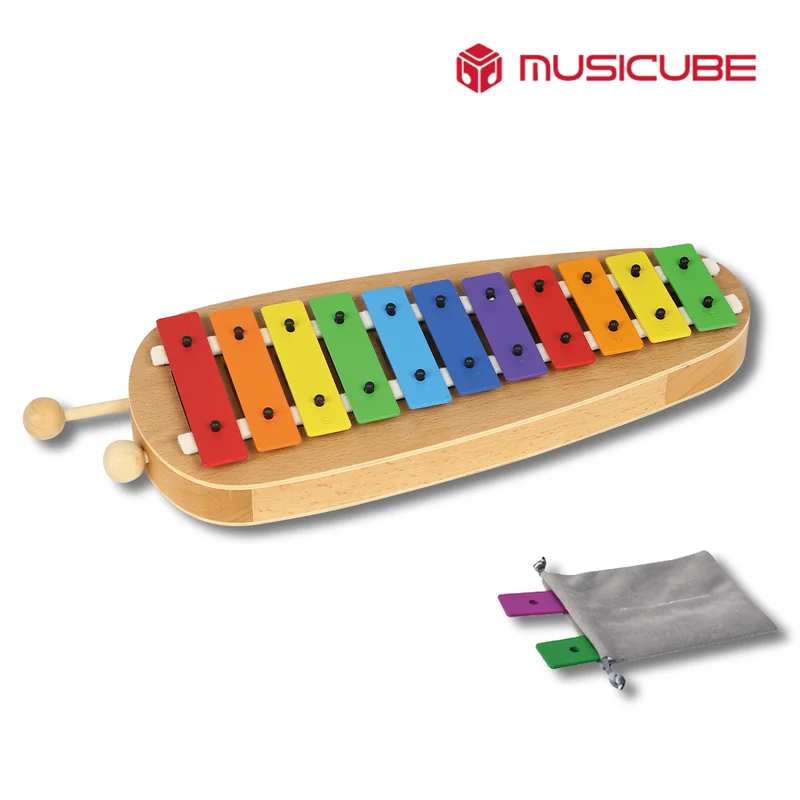 11 Tones Kinder Glockenspiel13 bars · C6–F7 · beechwood resonator · 051102
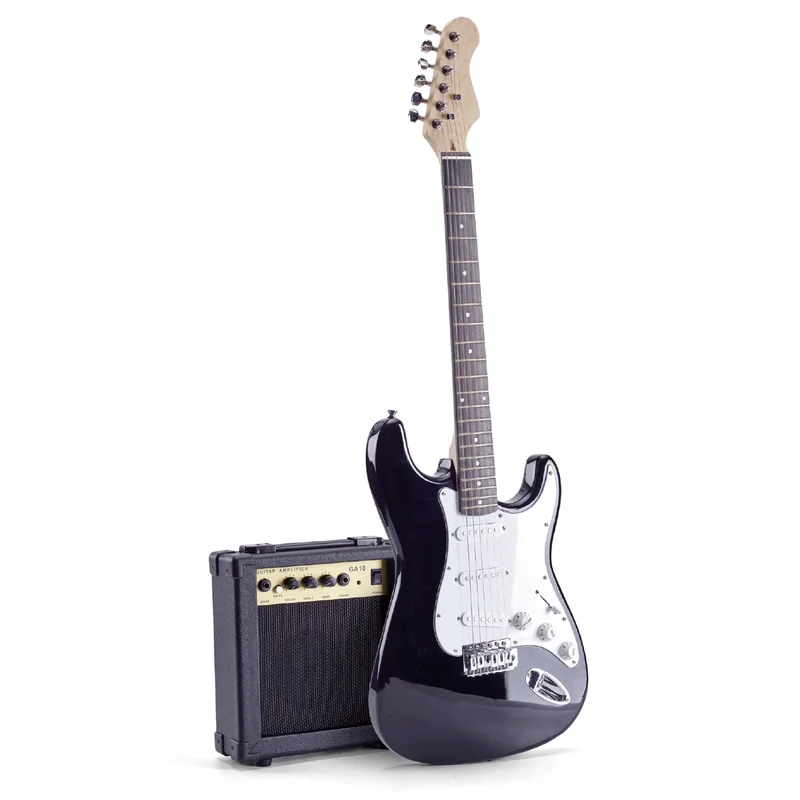 Electric Guitar Starter Pack – 10W AmpGuitar + amp + bag · ages 6+ · 183921
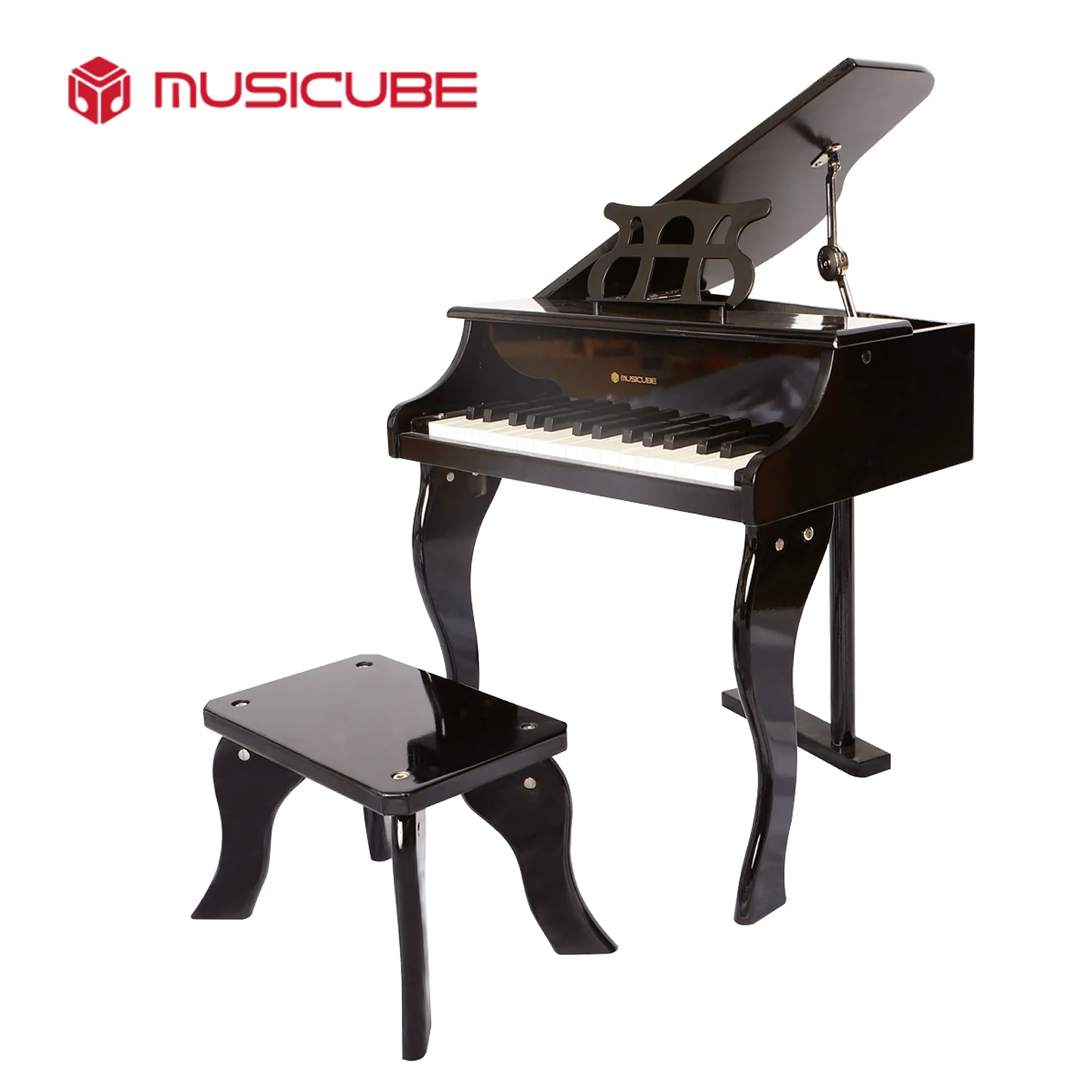 30 Keys Kids Grand Piano – Black30 keys · C3–F5 · with stool · 093002
Ready to Build Your Instrument Program?
Send your category mix, quantities and target market — we reply with pricing, MOQ and lead time within 24 hours.
If you are still shortlisting suppliers, our 7-point factory audit checklist sets out the test reports, QC gates and commercial terms worth requesting from every candidate before a first order.