


ODM Product Development for Children’s Musical Instruments
From early concepts to product samples, RoyalSound supports B2B customers with in-house design, development and sample-making capabilities.
ODM · DESIGN · DEVELOPMENT · SAMPLES
Discuss Your Product Idea Explore Our Development Process
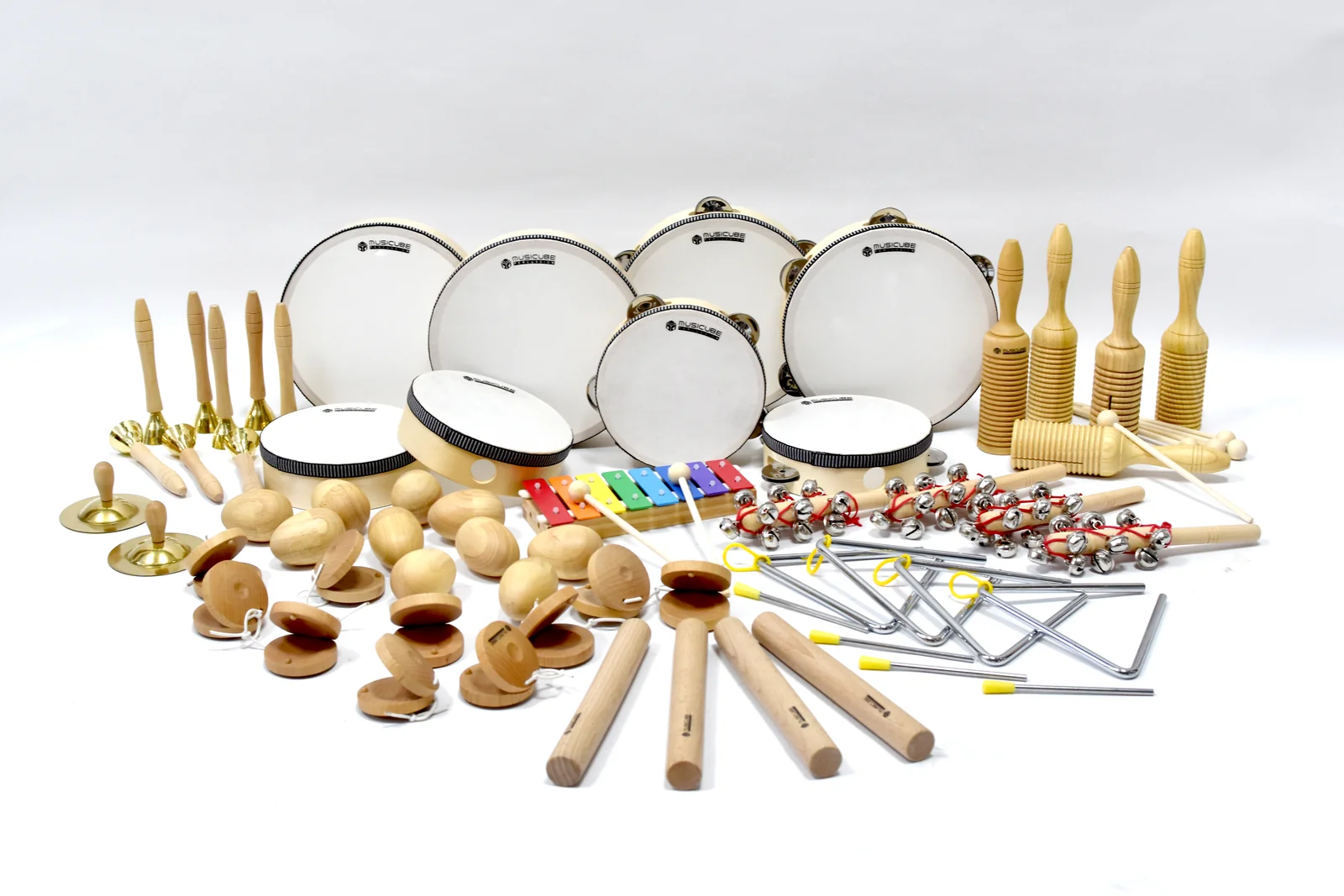
Turn Your Product Ideas into Manufacturable Products
A successful product begins with a clear understanding of the intended users, product requirements and manufacturing constraints.
RoyalSound provides in-house design, product development and sample-making support for children’s musical instrument projects. We work with customers to review concepts, define product specifications and prepare samples for evaluation before production planning.
Whether you are developing a new product or adapting an existing instrument for your market, the development scope is established around your project requirements.
Three Starting Points for Development
Concept-to-Product Development
Start with an idea, a target application or a preliminary concept and define the product requirements.
Suitable for: customers with a product idea but no complete specification.
Reference Product Development
Use an existing product as a reference to discuss configurations, materials, appearance and other design requirements.
Suitable for: customers with a reference product who need a differentiated option.
Existing Product Adaptation
Review possible changes to an existing product’s specifications, configurations, materials or packaging to meet a defined market requirement.
Suitable for: customers who already have a product and need adjustments for a target market.
In-House Design, Development & Sample Making
Define, Develop, Evaluate
Our in-house team supports product development from requirement definition to sample evaluation, helping align design details with manufacturing feasibility.
- Product Requirement Definition — clarify intended use, target users, product features and project constraints.
- Design & Configuration — develop or refine product specifications and configurations within the agreed scope.
- Material & Component Review — evaluate available material and component options according to product requirements.
- Sample Making & Refinement — prepare samples for evaluation and coordinate agreed revisions.
- Production Feasibility — review whether the confirmed product can move forward to manufacturing planning.
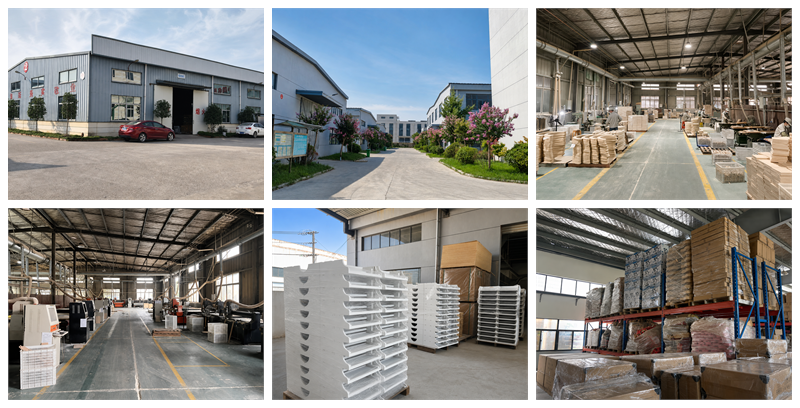
A Clear Path from Concept to Sample Approval
Project Brief
Discuss the product concept, target market, intended use, estimated quantity and commercial requirements.
Requirement Definition
Translate the initial concept into product requirements and preliminary specifications.
Design & Feasibility Review
Evaluate design options, materials, product configurations and manufacturing feasibility.
Sample Development
Prepare product samples according to the agreed development scope.
Sample Evaluation & Revision
Review the sample against the requirements and identify any necessary changes.
Specification Confirmation
Confirm the product details and requirements before production planning.
Manufacturing Handover
Transfer the approved requirements into the manufacturing and quality planning process.
What to Share with Our Development Team
You do not need a complete technical drawing to start a product development discussion. The following information can help us understand your project:
- Product concept, sketches or reference images
- Intended users and application
- Desired features and product configuration
- Preferred materials, colors or appearance
- Target market and relevant product requirements
- Estimated order quantity
- Expected launch schedule and budget expectations, if available
Our team can review the initial information and identify the key details needed to define the development scope.
See How Product Ideas Take Shape
Selected development projects can demonstrate how initial requirements evolve into product specifications, samples and manufacturing plans. Each development record is documented in the same structure:
Project Brief
The starting point: intended users, market, use case and commercial targets.
Development Requirements
The requirements agreed for the project and the constraints that shaped them.
Design or Configuration Changes
What was changed against the reference — configuration, materials, appearance.
Sample Development
Sample rounds prepared and the revisions agreed after each evaluation.
Final Approved Specifications
The frozen specification that production is planned against.
Manufacturing Outcome
Shown where documented project data is available.
Development projects are documented with initial reference → sample development → approved version, rather than a generic product gallery — it shows the work behind the product. Published client projects are listed under Case Studies.
Frequently Asked Questions
Q: Can you develop a product from an initial idea?
A: Yes. RoyalSound can review an initial concept and discuss product requirements, design options, feasibility and sample development according to the project scope.
Q: Can you modify an existing instrument?
A: Potential modifications depend on the product and the requested changes. Share a reference product and your requirements for evaluation.
Q: How long does product development take?
A: Timing depends on product complexity, materials, tooling needs and sample revisions. A project-specific schedule can be discussed after the initial review.
Q: How many sample revisions are included?
A: The number of sample rounds and associated costs depend on the project scope and should be agreed before development begins.
Q: Who owns the design and intellectual property?
A: Ownership, confidentiality, permitted use, and any tooling or design rights should be defined in the project agreement before development starts.
Q: Whose brand will the finished product carry?
A: ODM projects can be developed for your own brand or another agreed brand, depending on the project agreement. Branding, packaging and product marking are confirmed before production begins.
Have an Idea for a New Musical Instrument?
Tell us about your concept, target market and product requirements. Our team can review your project and discuss the next steps.